
How to Budget for Your Next Trip Without Going Broke
Planning your next holiday? Discover practical travel budgeting tips to save money on flights, accommodation, food and activities without going broke.

How to Budget for Your Next Trip Without Going Broke
There is something about planning a trip that makes everybody suddenly become a financial optimist.
You see a beautiful hotel, calculate the flight fare, add a few activities and think, "This is manageable." Then you remember food, transportation, shopping, airport transfers and the fact that you are also expected to eat when you get back home.
Suddenly, the holiday is looking like a financial investigation.
The truth is, travelling doesn't have to leave you broke. You don't need to spend your entire savings to enjoy a new destination. You just need a realistic budget, a little discipline and the ability to tell yourself "I don't need that" occasionally.
Whether you're planning a weekend getaway, your first international trip or that December holiday you've been talking about since February, here's how to plan your finances without returning home to financial regret.
1. Decide What You Can Actually Afford

Before searching for flights or saving pictures of luxury hotels, figure out how much you can comfortably spend.
And please, let your budget be based on your actual finances, not what your favorite travel influencer spent in Santorini.
Start by looking at your income, savings and existing financial responsibilities. Decide how much you can set aside for the trip without affecting your rent, bills, school fees or emergency savings.
Remember, a holiday should be something you enjoy, not something that gives you three months of financial anxiety afterwards.
A little tip: Set your maximum travel budget before you start planning. This helps you make decisions based on what you can afford rather than falling in love with experiences that are way outside your budget.
2. Break Down Your Travel Expenses
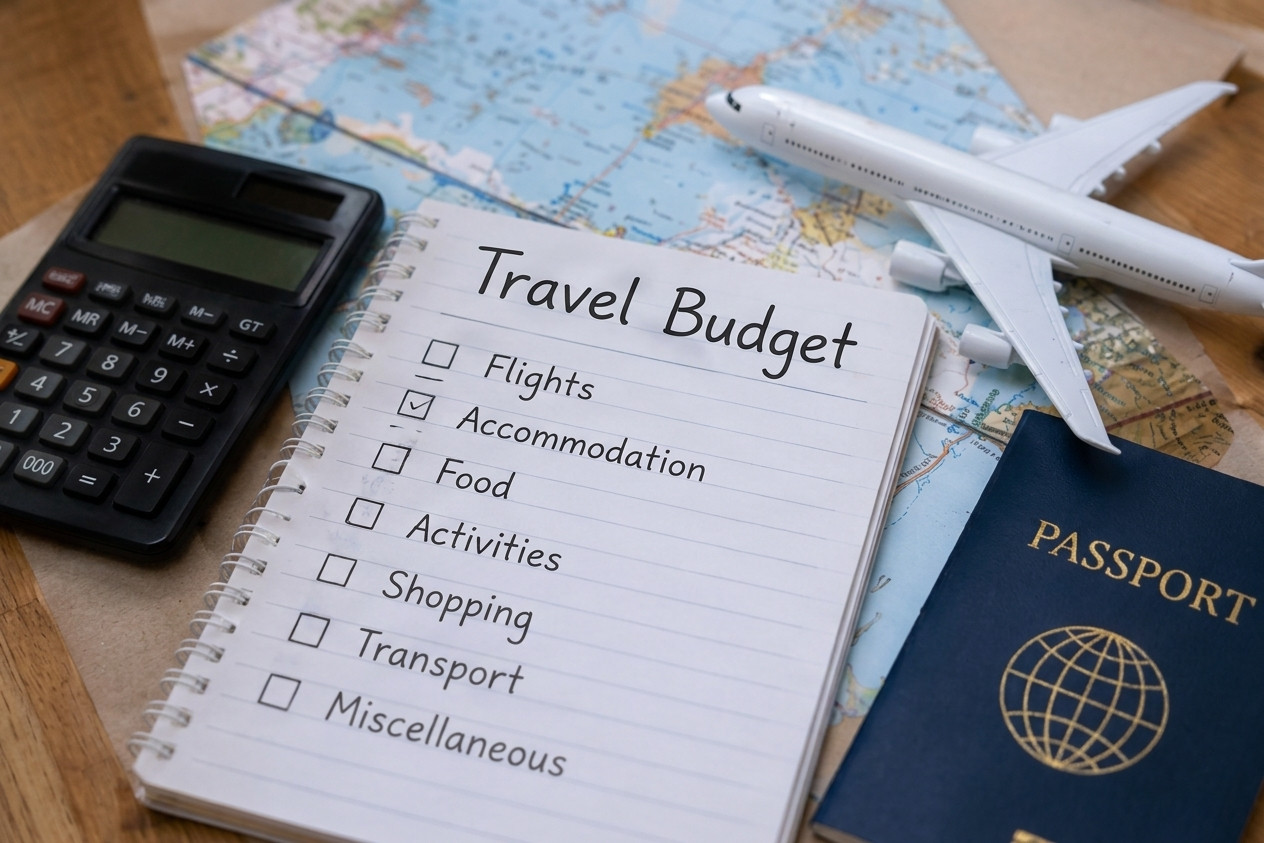
One of the biggest budgeting mistakes travelers make is calculating only their flight tickets and accommodation.
Your flight ticket is not the entire trip. Unfortunately, the airline will not feed you throughout your holiday.
There are several expenses to consider:
Flights: Your return ticket, baggage allowance and any additional airline charges.
Accommodation: Hotels, shortlets, hostels or other places to stay.
Food: Breakfast, lunch, dinner, snacks and the occasional restaurant experience.
Transportation: Airport transfers, taxis, buses, trains and other local transportation.
Activities: Tours, sightseeing, entrance fees and entertainment.
Travel documents: Visa fees, travel insurance and other necessary documentation.
Shopping: Souvenirs, personal purchases and gifts for people who will definitely ask what you brought back.
Communication: Internet access, roaming or an eSIM.
Write these expenses down and assign an estimated amount to each category.
You don't have to get every figure perfectly right from the beginning. The goal is to know where your money is likely to go.
3. Book Early, But Don't Book Blindly
Booking early can help you find better travel deals, especially during busy travel seasons. However, early booking doesn't automatically mean cheap booking.
Compare different airlines, travel dates and routes before making a decision.
Sometimes travelling a day earlier or later can make a noticeable difference in ticket prices.
Also, pay attention to the details. Check baggage allowances, cancellation policies, layover durations and additional charges before paying.
A ticket that looks cheaper initially may become more expensive after all the extra fees are added.
And please, don't send money to a random person on social media because they promised you a return ticket to London for an amount that looks like a typo.
Always verify your booking agent and confirm your flight details directly with the airline.
4. Your Accommodation Doesn't Have to Eat Your Budget

We understand the temptation of booking that beautiful hotel with the rooftop pool, complimentary breakfast and a bathroom that looks like it belongs in a movie.
But before you pay, ask yourself one important question: How much time will I actually spend in this room?
If your itinerary involves exploring the city, visiting attractions and trying different restaurants, you may not need the most expensive accommodation available.
Compare hotels, hostels, guesthouses and shortlets. Look at their locations, reviews, facilities and accessibility.
However, don't choose accommodation simply because it is cheap. A hotel that is far away from everything may cost you more in transportation.
The goal is to find somewhere comfortable, safe and convenient without spending your entire holiday budget on a place you'll mostly use to sleep.
5. Give Yourself a Daily Spending Limit
One of the easiest ways to lose control of your travel budget is to spend without tracking how much you're using.
You arrive at your destination, get excited, buy something small, order something else and suddenly you're wondering where the money went.
Create a daily spending allowance.
For example, if you have allocated ₦300,000 for food, transportation and activities over a five-day trip, that's an average of ₦60,000 per day.
You don't necessarily have to spend the exact amount every day, but having a limit gives you an idea of what you can comfortably afford.
You can also divide your spending into categories:
Food and drinks.
Transportation.
Activities and sightseeing.
Personal shopping.
If you spend less on one day, you can keep the extra for another experience.
And remember, you don't have to participate in every activity just because you're on holiday. Sometimes the best experience is walking around a new city, discovering interesting places and enjoying the atmosphere.
6. Always Have an Emergency Travel Fund
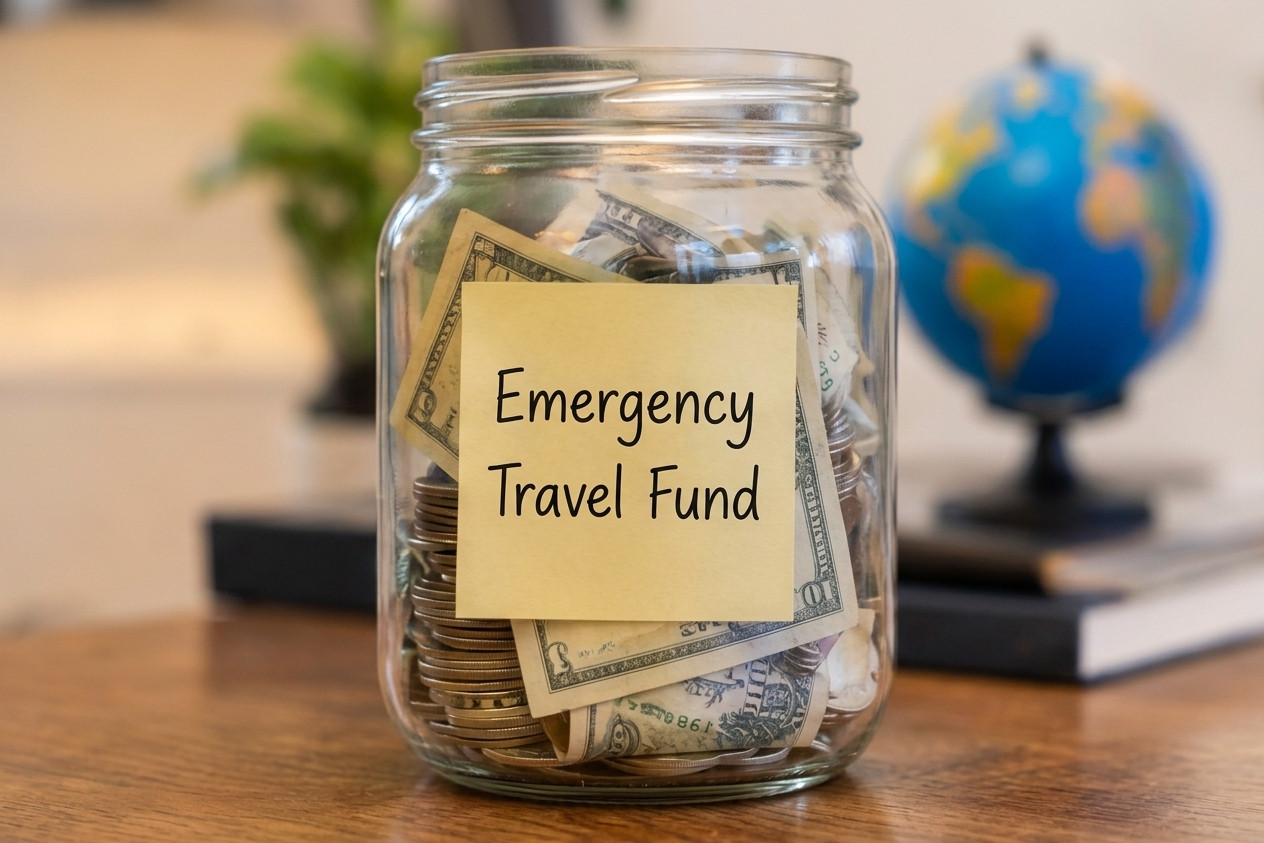
This is not the part of travel planning anyone gets excited about, but it's one of the most important.
Things don't always go according to plan.
You could miss a connecting flight, need unexpected transportation, experience a medical emergency or have to pay for an unplanned night at a hotel.
Your emergency fund is there to help you handle these situations without destroying your original budget.
Keep it separate from your regular spending money and avoid treating it like extra shopping money.
If possible, aim to have around 10–15% of your overall travel budget set aside for unexpected expenses.
You may not need it, and that's perfectly fine. It's better to return home with unused emergency money than to need it and not have it.
7. Don't Underestimate the Little Expenses
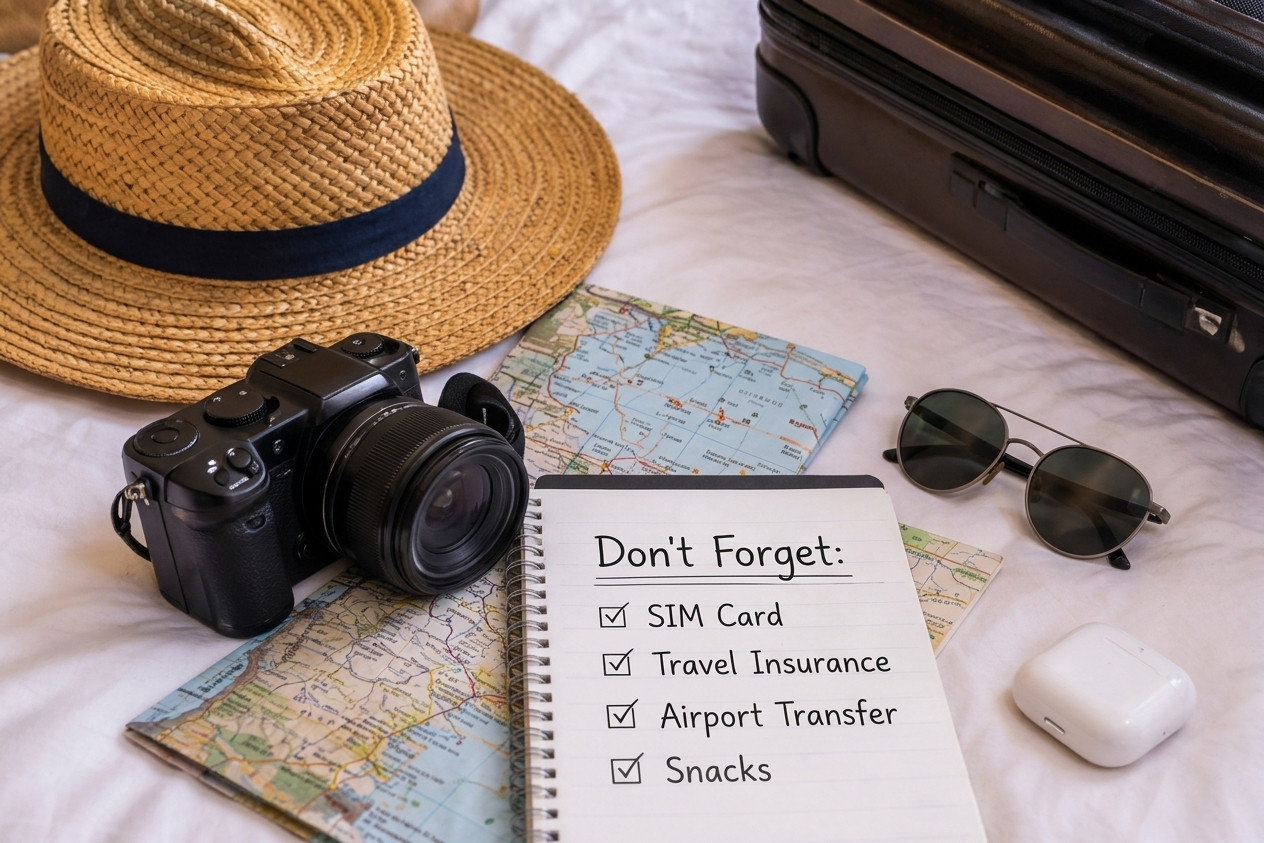
The little expenses are often the biggest budget thieves.
You may have calculated your flight, hotel and activities perfectly, only to forget the costs that happen around the edges.
Think about:
Getting to and from the airport.
Extra baggage fees.
Snacks and drinks.
Tips and service charges.
Internet access.
Currency exchange fees.
Travel insurance.
Laundry and other personal expenses.
Individually, these expenses may not look significant. Together, they can take a serious bite out of your budget.
Make room for them before your trip so you aren't constantly surprised by expenses you could have anticipated.
8. Start Saving Before You Start Packing

If you know you want to travel in December, don't wait until November to start figuring out where the money will come from.
Give yourself enough time to save.
For example, if your estimated trip budget is ₦600,000 and you have six months to prepare, you would need to save approximately ₦100,000 monthly.
You can make saving easier by:
Setting up a dedicated travel savings account.
Automating monthly transfers where possible.
Reducing unnecessary spending.
Putting aside extra income or bonuses.
Saving a fixed percentage of your income.
You can also use a simple spreadsheet to track your savings and expenses.
The earlier you start, the less pressure you'll have when it's time to book.
9. Leave Room for Spontaneous Experiences
Here's something people don't talk about enough: not every memorable travel experience can be planned in advance.
You might discover a lovely restaurant, find an interesting local market or get invited to an activity you didn't know existed.
Your budget should allow you to enjoy a few spontaneous experiences without feeling guilty about every purchase.
Set aside a small amount for unexpected fun.
You don't want to spend your entire holiday saying, "I would have loved to do that, but it's not in the budget."
Of course, this doesn't mean abandoning your financial plan. It simply means creating enough flexibility to enjoy your trip.
Final Thoughts: Travel for the Memories, Not the Debt
Travelling should give you stories to tell, pictures to look back on and experiences you'll remember for years.
It shouldn't leave you calculating how many months it will take to recover financially.
The secret isn't necessarily having a huge travel budget. It's knowing how to plan, prioritise your expenses and make thoughtful decisions before and during your trip.
So, save early, compare your options, watch your spending and don't forget to budget for the unexpected.
And when you're ready to turn those travel plans into actual bookings, YangaPlug has you covered.